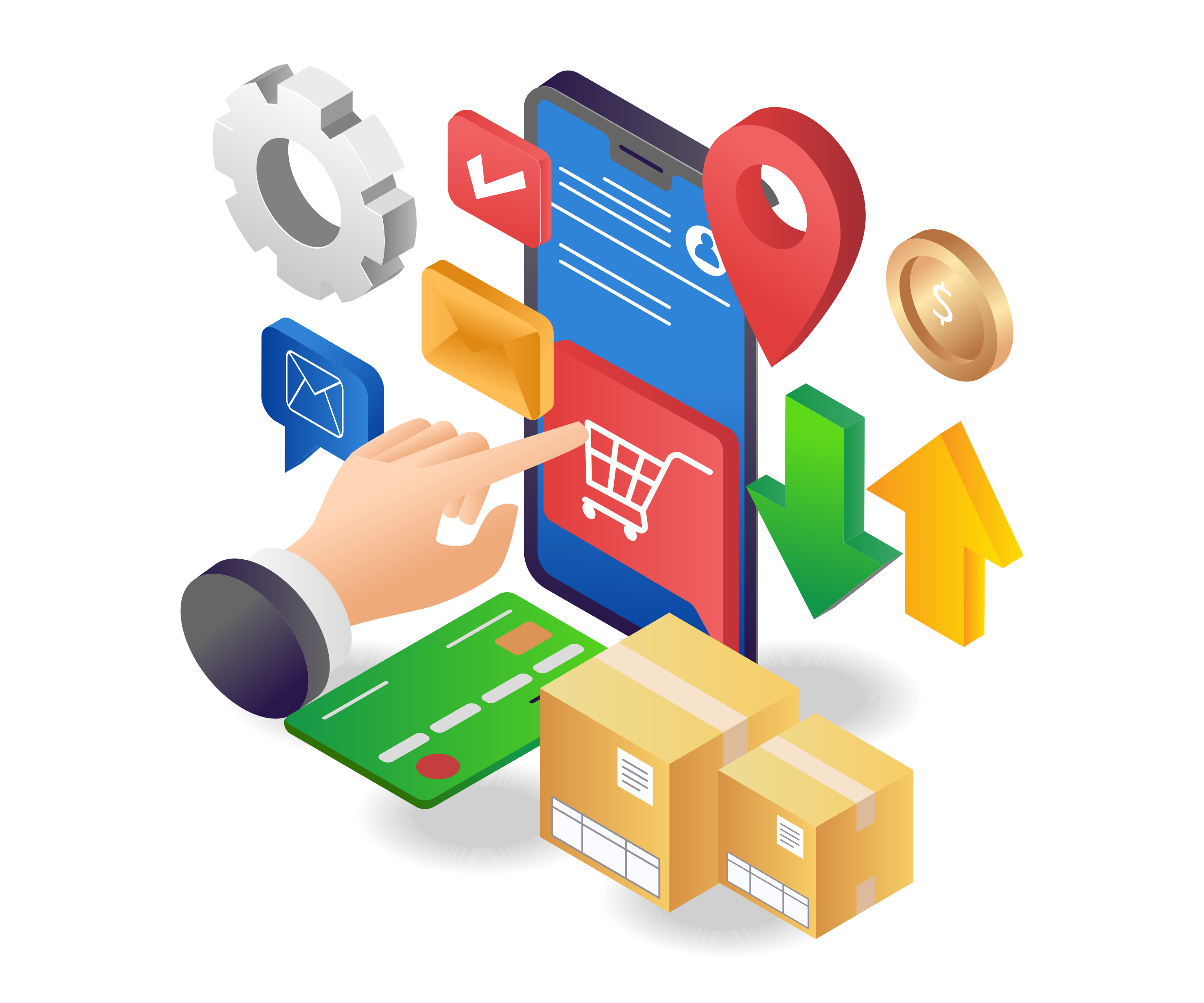
Mobile Shopping
Comfortable product browsing and checkout on smaller screens.
E-Commerce Website Designing
E-Commerce Websites Designed to Make Buying Feel Simple.
We design online stores that help customers discover products, compare choices, trust the business and move from browsing to checkout comfortably on mobile, tablet and desktop.
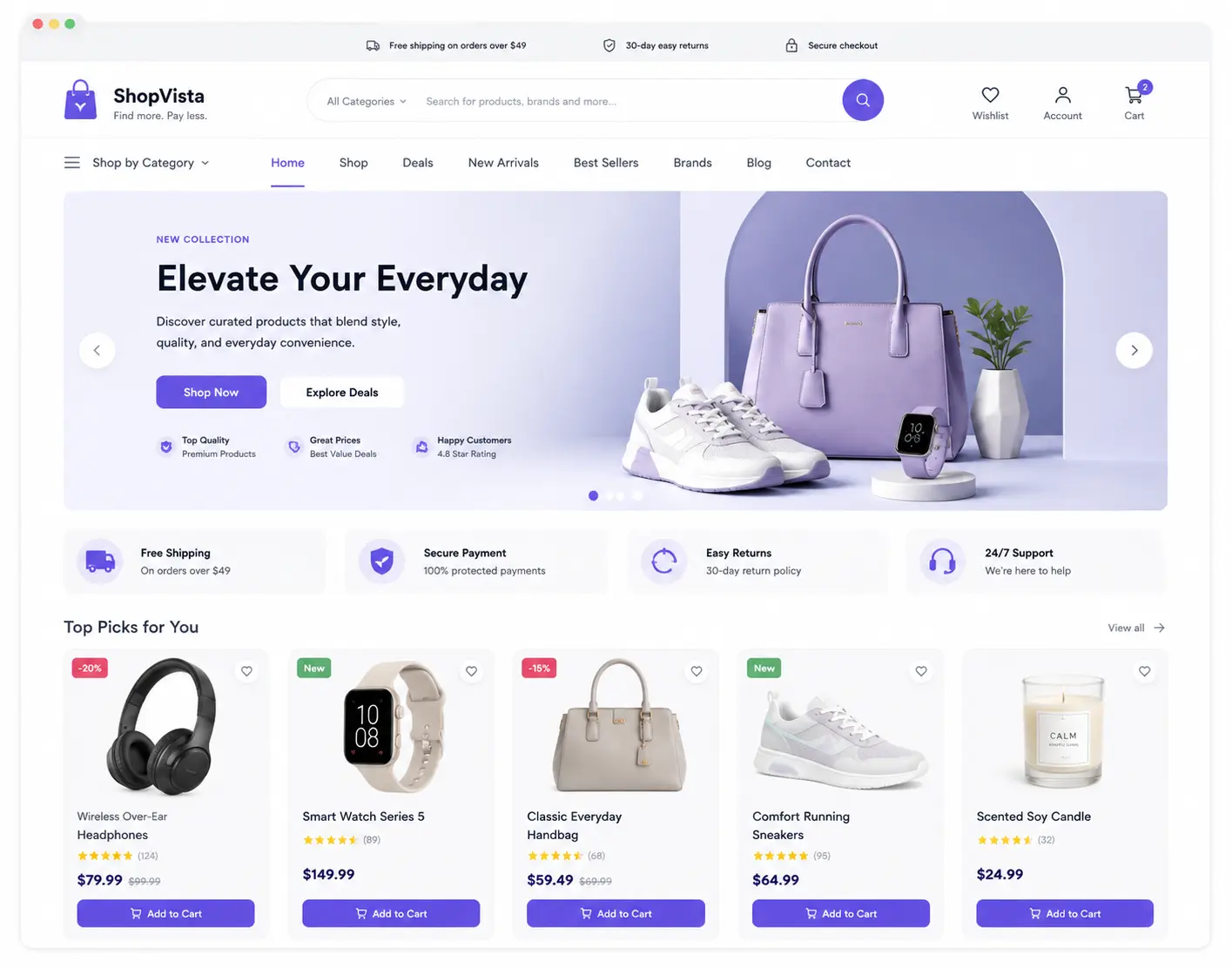
E-Commerce Store Experience
Discover → Compare → Cart → Checkout
Clear Buying Flow
Categories, products, cart and checkout planned as one journey.
Trust Focused
Policies, payment clarity and useful product information reduce doubt.
Search Ready
Structure leaves room for product, category and technical SEO.
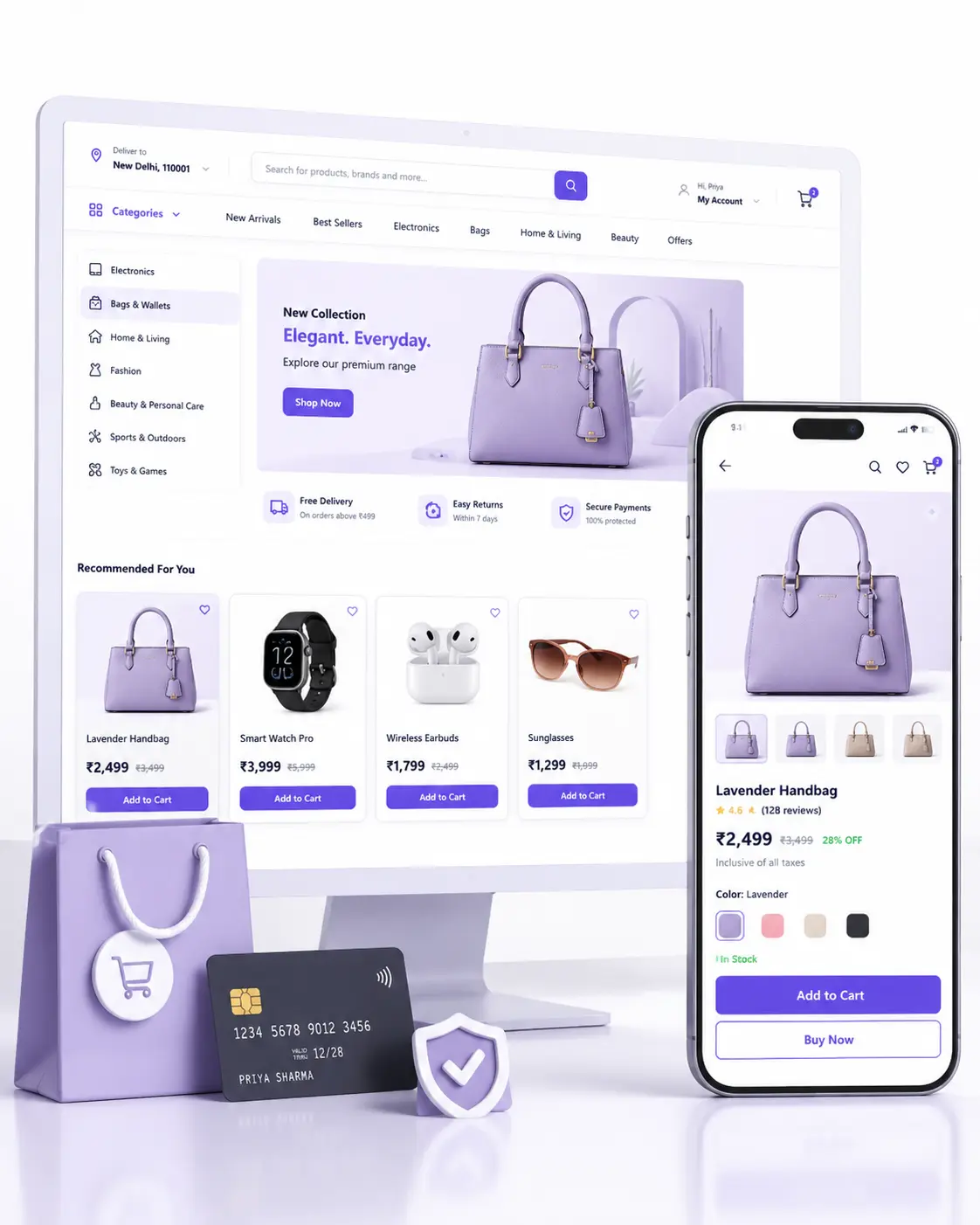
More than an online catalogue
A Store Should Help Customers Move From Interest to Purchase.
An e-commerce website ko sirf products dikhane se kaam nahi chalega. Customers ko sahi product milna chahiye, offer samajhna chahiye, seller par trust hona chahiye aur bina friction ke delivery, payment aur purchase complete kar paana chahiye.
Browse
Understand
Trust
Buy
Customer shopping journey
The Store Experience Should Feel Connected From Start to Finish.
Each stage should naturally prepare the customer for the next one. Good e-commerce design keeps information, trust and actions connected rather than treating every screen as a separate page.
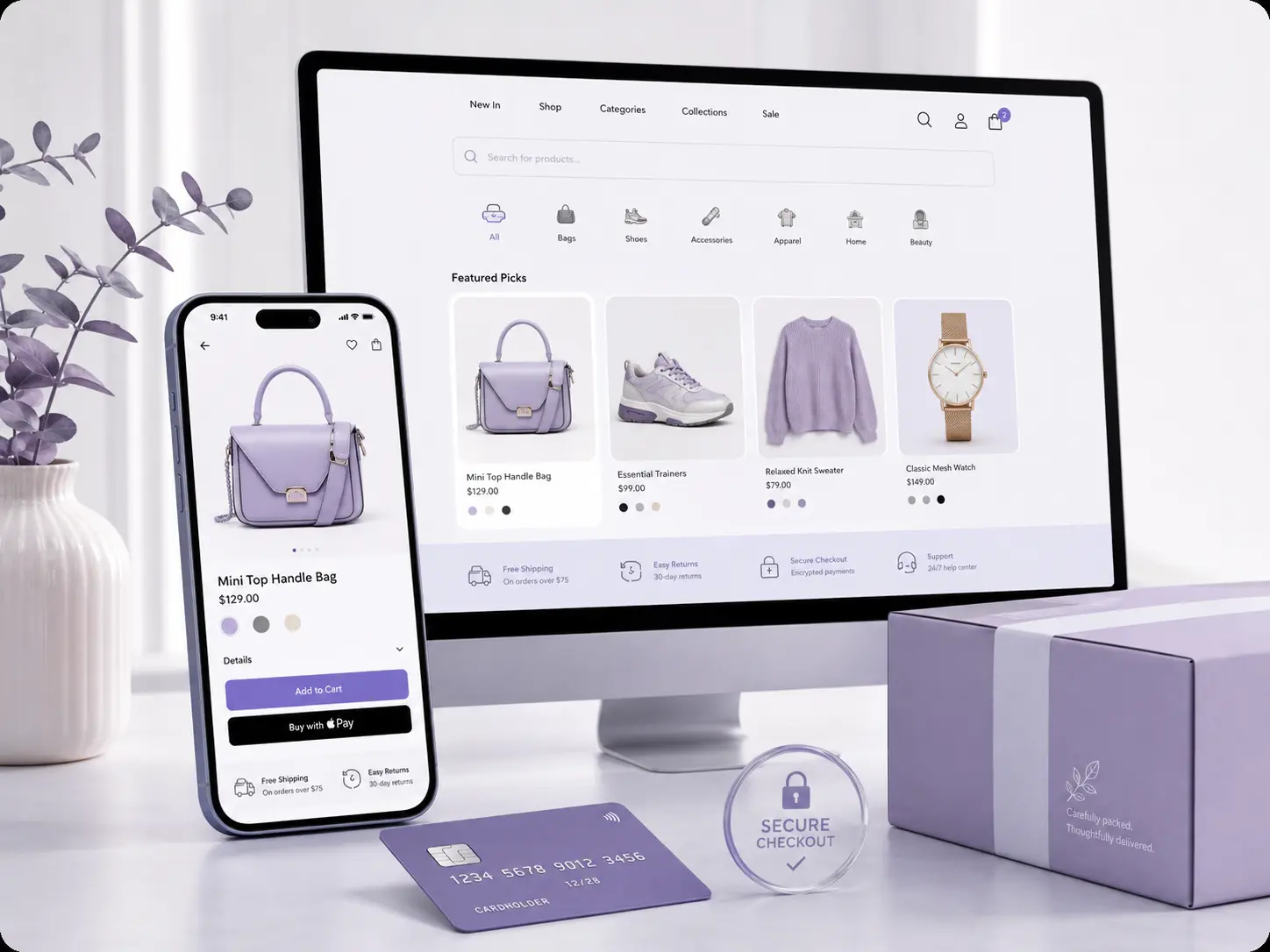
Find
Discover
Customers should reach useful categories, collections or search results quickly instead of hunting across the store.
Compare
Compare
Product cards and product pages should make pricing, features, variants and differences easy to compare.
Trust
Trust
Trust builds through clear stock status, delivery expectations, return details and visible business information.
Review
Cart Review
Selected products, quantities, offers and totals should stay clear before the customer moves ahead.
Pay
Checkout
Address, delivery method, payment and order confirmation should remain focused, mobile-friendly and predictable.
Track
After Purchase
Order confirmation, fulfilment and tracking should keep the customer informed after the payment step.
Business-ready store functionality
Core E-Commerce Features Should Support Both Customers and Operations.
The right feature set depends on the business model. We plan the store around what customers need to buy and what the business team needs to manage after launch.
Customer side
Make buying clear and comfortable
Operations side
Keep daily store management practical
Growth side
Leave room for integrations and scale
01
Customer experience
Foundation
Catalogue & Products
Products should be easy to organise, understand and compare.
- Categories and subcategories
- Product variants and options
- Pricing and discount display
- Product images and useful details
02
Customer experience
Buying flow
Buying Experience
Every interaction should move the customer toward a confident purchase.
- Cart and quantity controls
- Wishlist when useful
- Coupon / offer support
- Focused checkout journey
03
Store operations
Transactions
Payments & Orders
Payment and order states should stay clear for both customer and staff.
- Payment gateway integration
- Order confirmation flow
- Order status handling
- COD / online payment rules when required
04
Store operations
Customers
Customer Management
Customer information and communication should support repeat business without creating confusion.
- Customer account options
- Address management
- Order history where required
- Customer communication hooks
05
Store operations
Fulfilment
Shipping & Delivery
Delivery rules should match the real service area and fulfilment process.
- Shipping rules and zones
- Delivery charge logic
- Pincode/serviceability support when available
- Courier/API integration when approved
06
Growth system
Measurement
Growth & Reporting
The store should leave room for measurement, search visibility and future campaigns.
- Analytics integration points
- Sales/order reporting foundation
- SEO-ready product/category structure
- Campaign and conversion tracking hooks
E-Commerce Solutions We Design
Different Product Businesses Need Different Store Structures.
A retail catalogue, a D2C brand and a B2B ordering portal do not have the same customer journey. We match the store architecture to the way the business actually sells.
 01
01
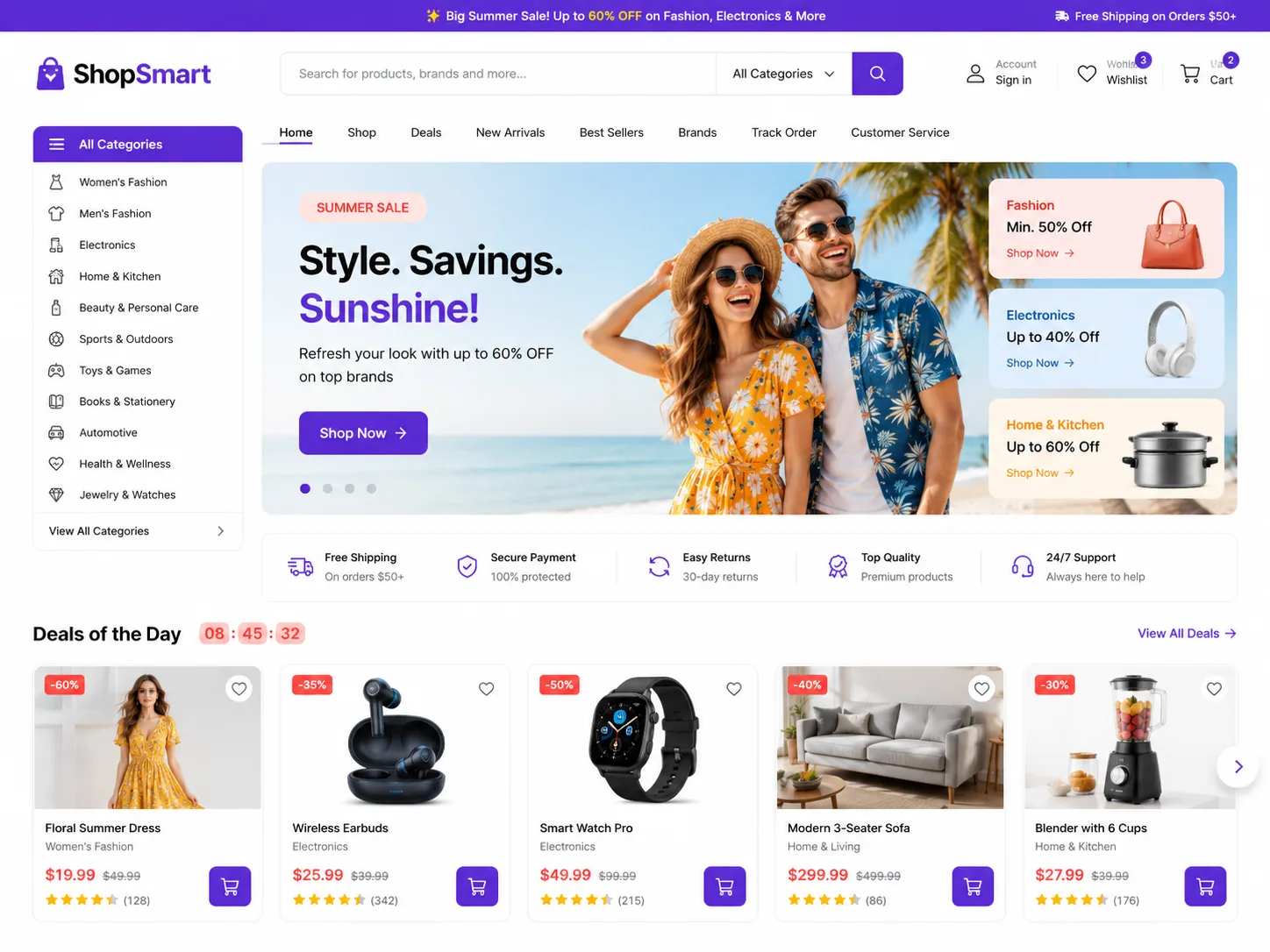
Retail • Multi-category • Local brands
Retail Online Stores
For businesses that need clear category browsing, products, offers and an easy customer checkout experience.
Best for broad catalogues and everyday shopping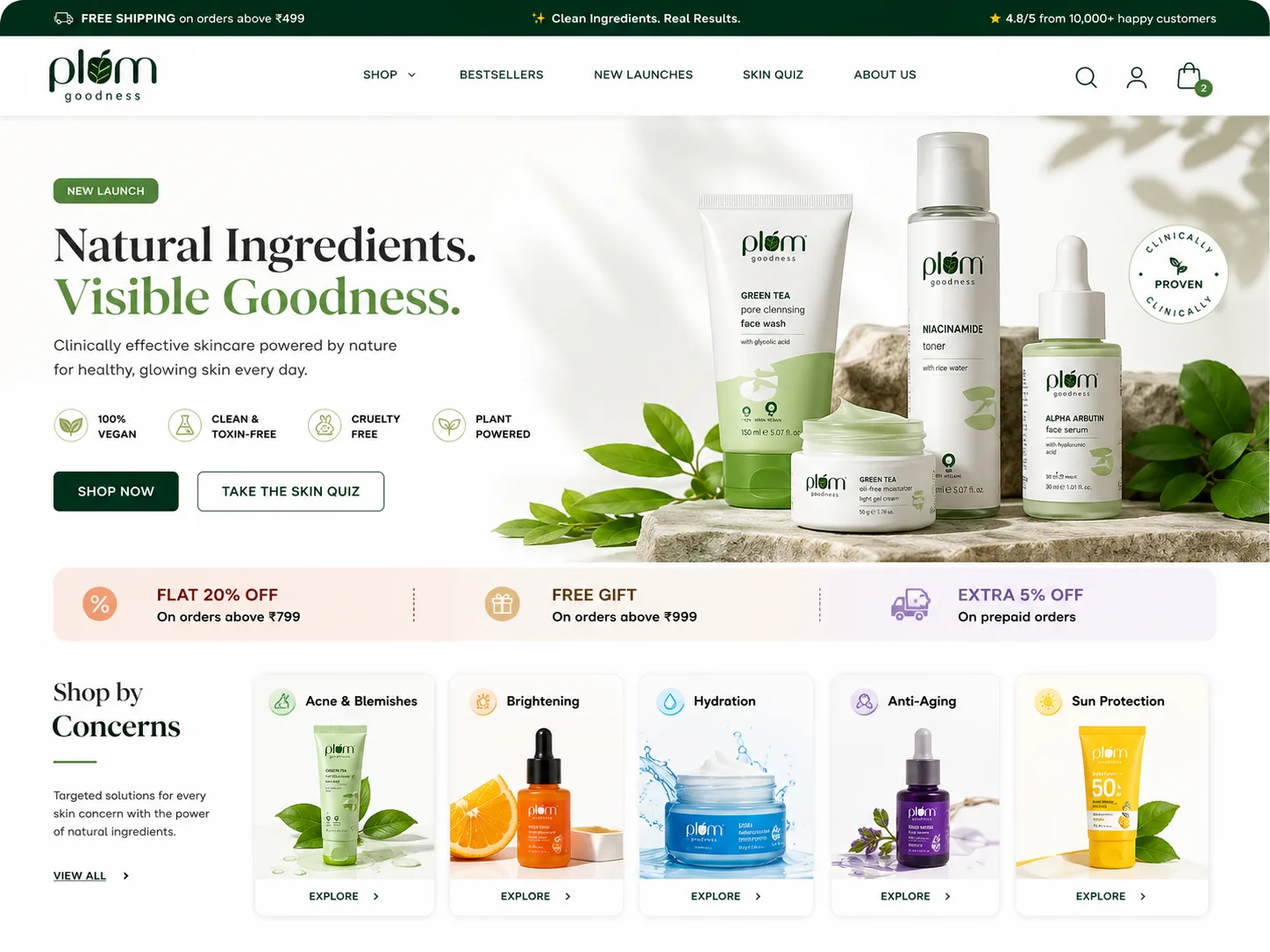 02
02
Own-brand products • Focused collections
D2C Product Brands
For brands that need stronger product storytelling, trust, bundles, repeat purchase paths and campaign landing pages.
Best for focused brands and repeat purchases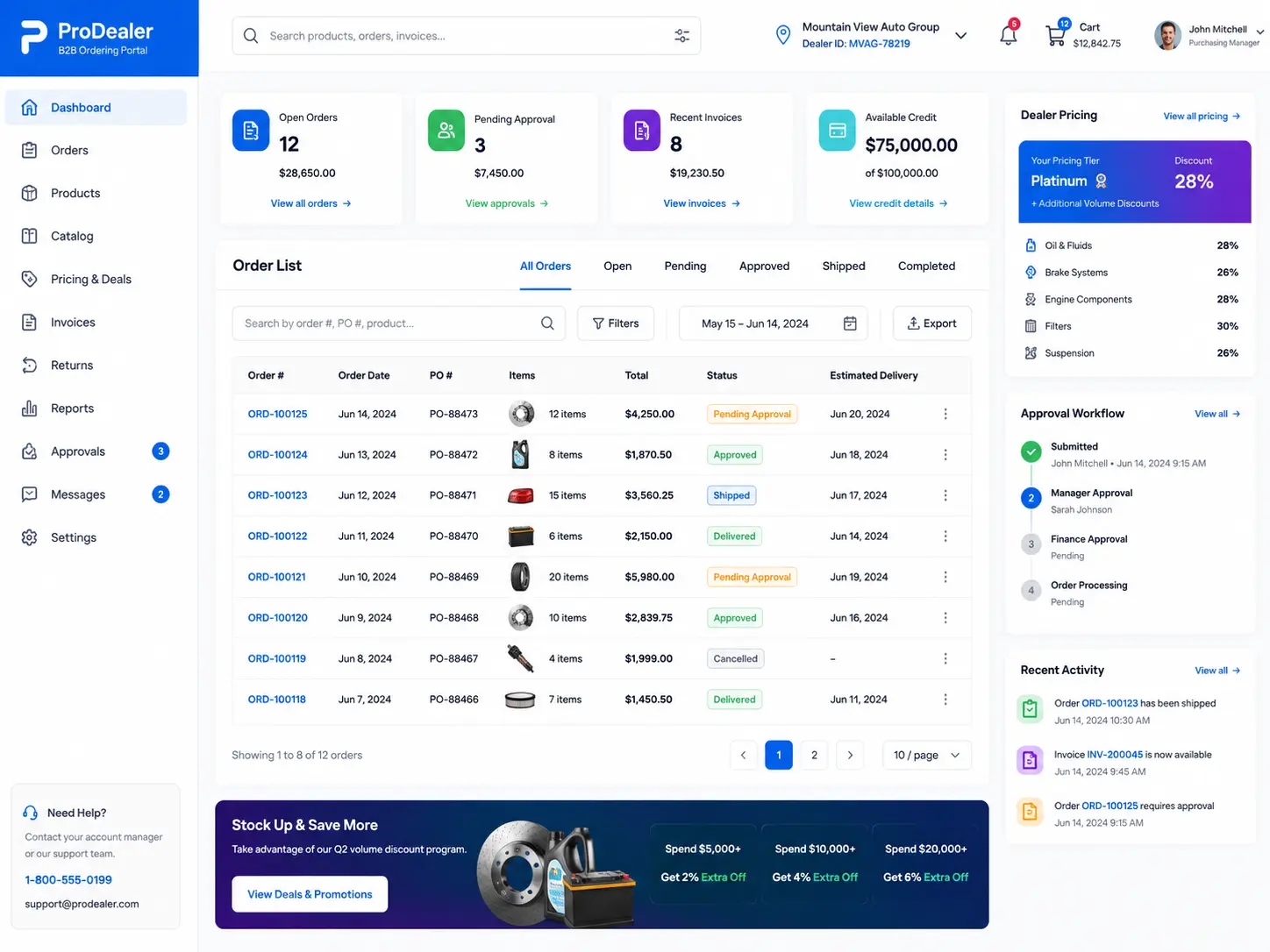 03
03
Dealers • Distributors • Business buyers
B2B / Dealer Ordering
For structured product discovery, bulk requirements, enquiry-led ordering or authenticated pricing workflows when required.
Best for dealer, distributor and bulk workflows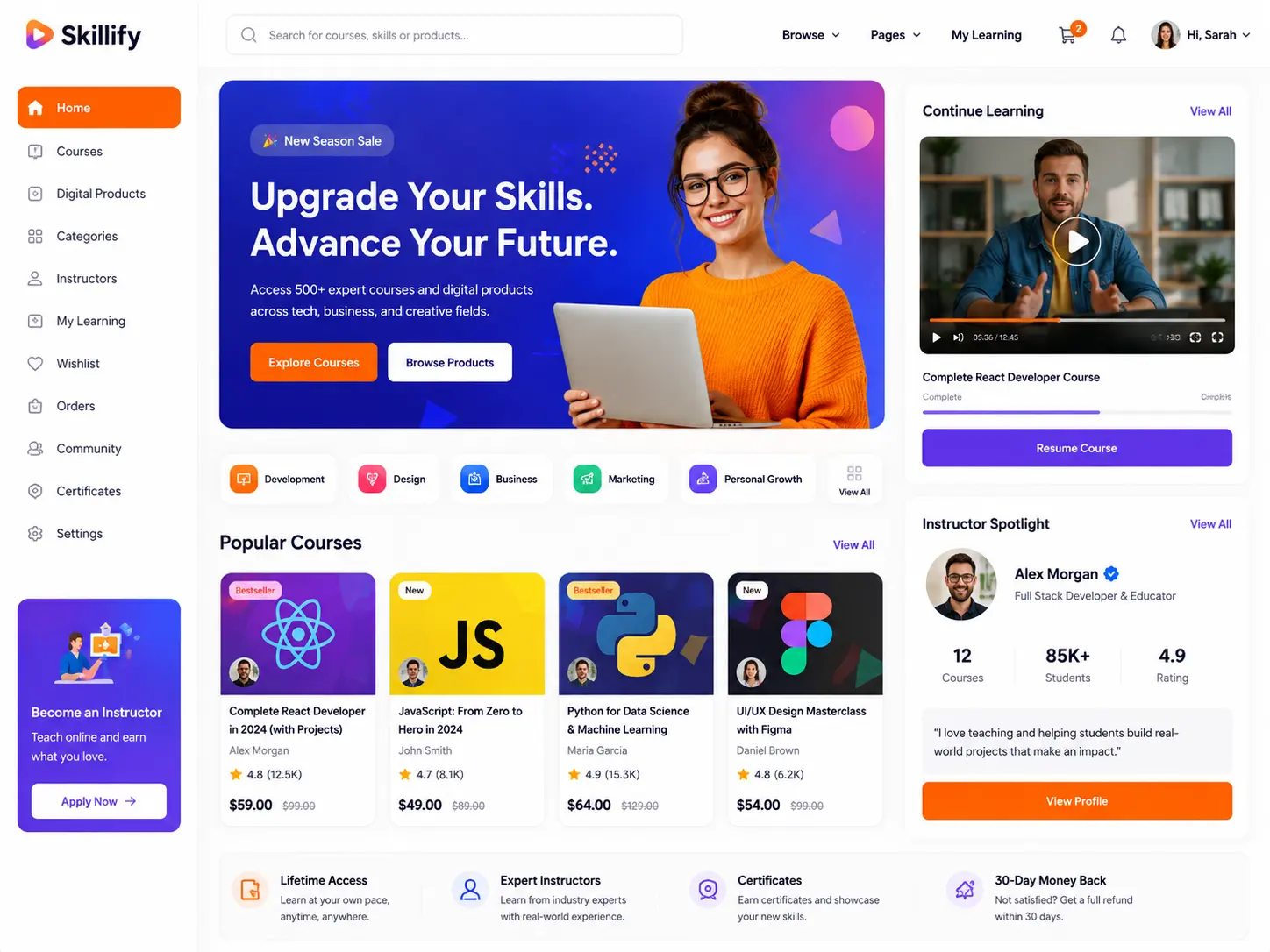 04
04
Institutes • Courses • Digital access
Courses & Digital Products
For paid courses, digital resources or service packages where the buying journey leads into access, onboarding or LMS systems.
Best for paid learning and digital access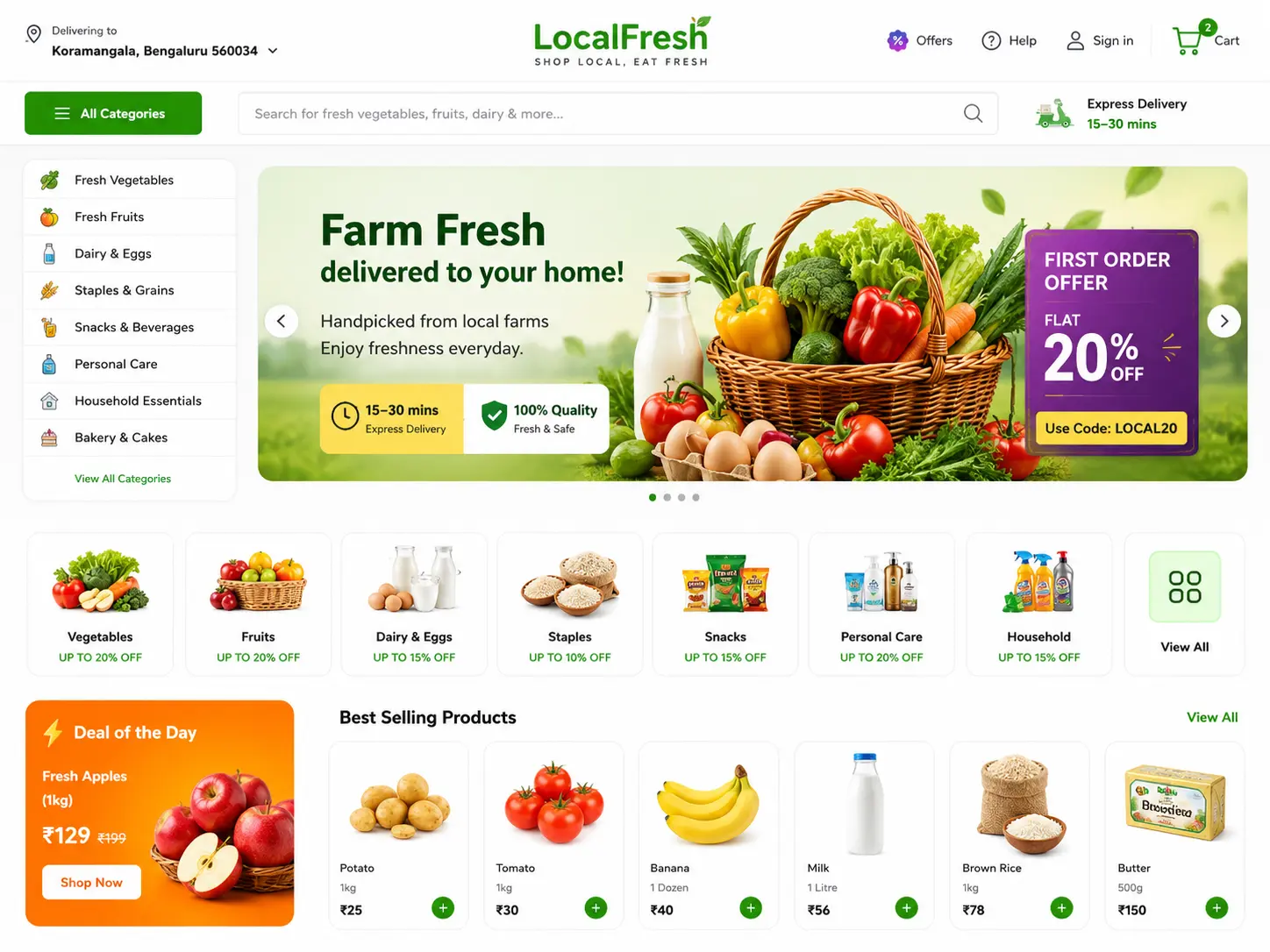 05
05
City-based delivery • Regional sellers
Local & Regional Commerce
For businesses that need serviceability, local delivery information and region-aware customer communication.
Best for local delivery and serviceability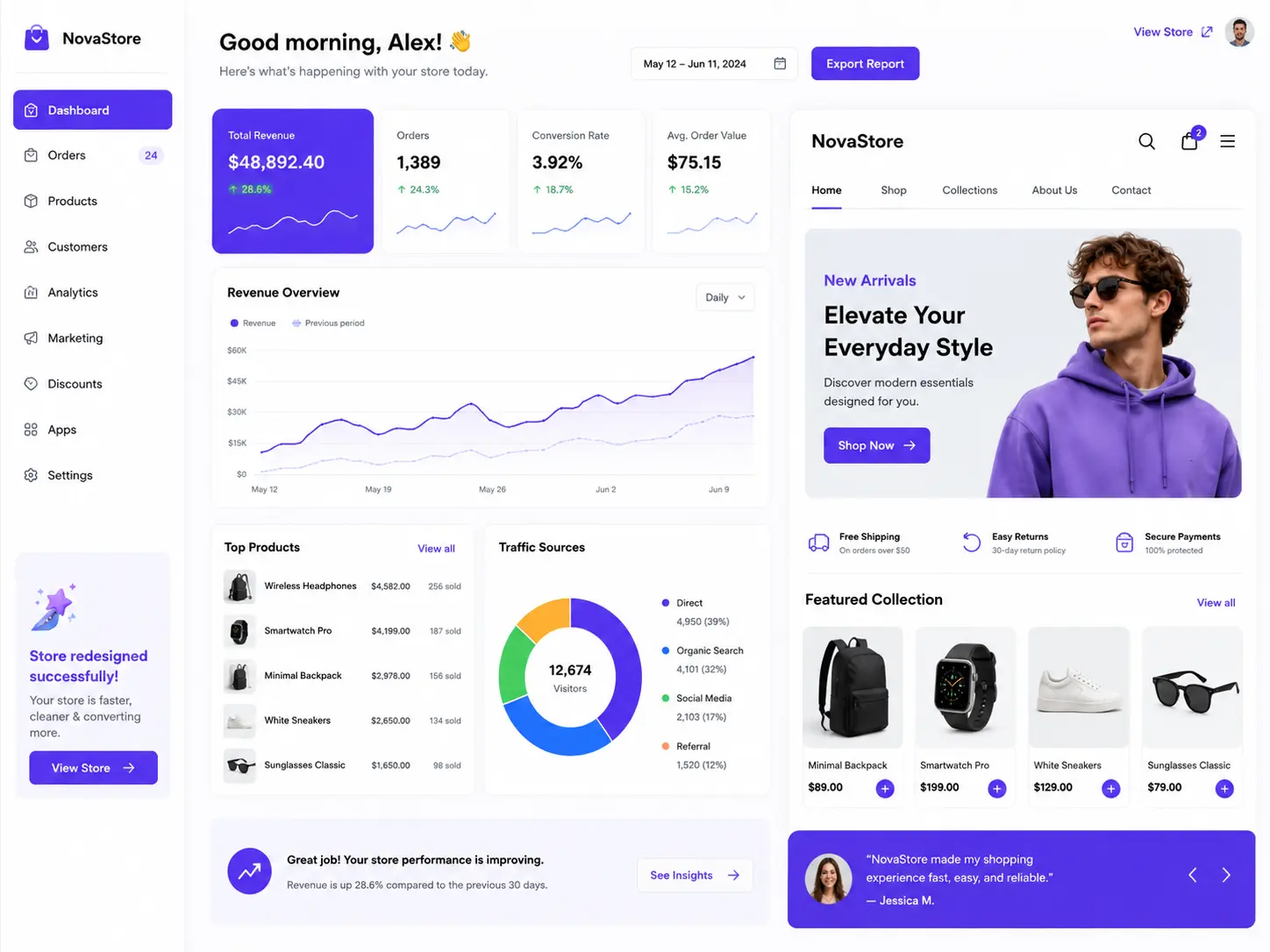 06
06
Rework • Upgrade • UX improvement
Existing Store Redesign
For stores that already work technically but need cleaner navigation, mobile usability, product presentation or conversion paths.
Best for improving an existing store without starting overOur e-commerce design process
We Plan the Store Around the Way Customers Actually Buy.
The goal is not to add random store features. We map the business workflow, customer decisions and operational needs before the final design is built.
Business scope
Business Understanding
We understand products, categories, target customers, pricing, delivery areas, payment needs and current systems.
Store structure
Catalogue & Navigation Plan
We organise categories, collections, filters and navigation around how customers are most likely to browse.
UI direction
Key Screen Design
Home, category, product, cart and checkout screens are designed as one connected shopping experience.
Integration map
Integration Planning
Payment, shipping, WhatsApp, analytics and required APIs are mapped before implementation.
Responsive flow
Responsive Review
Important buying actions are reviewed on mobile, tablet and desktop before build completion.
Growth-ready store
Launch & Improvement
After testing and launch, the store remains structured for product growth, campaigns and future improvements.
Connected e-commerce operations
A Store Often Needs to Connect With More Than a Payment Button.
A useful online store usually connects payment, delivery, customer communication, analytics and business systems. We plan those connections around the real workflow instead of adding integrations only for display.
Payments
Payment Gateway
Supported providers such as Razorpay can be connected according to account status, API availability and approved project scope.
Secure server-side verification
Fulfilment
Shipping / Courier
Shipping rates, pincode serviceability and courier workflows can be connected when the selected provider supports them.
Delivery rules that match operations
Communication
WhatsApp & Email
Customer enquiry, order communication and follow-up paths can connect with the channels the business actually uses.
Keep customers informed
Measurement
Analytics & Pixels
Approved analytics and advertising integrations can support measurement, attribution and campaign improvement.
Understand what customers do
Business systems
Business APIs
ERP, inventory, CRM or other APIs can be considered when there is a reliable integration contract and clear business requirement.
Connect only what the workflow needs
Security
Secure Data Handling
Sensitive payment verification and important business rules remain server-side instead of being trusted to the browser.
Protect critical transaction logicE-commerce SEO & performance
Product Stores Need a Strong Technical Foundation Too.
Large images, product variants, filters and growing catalogues can create usability and search problems when they are not planned carefully. The design should leave development with a clean structure to build on.
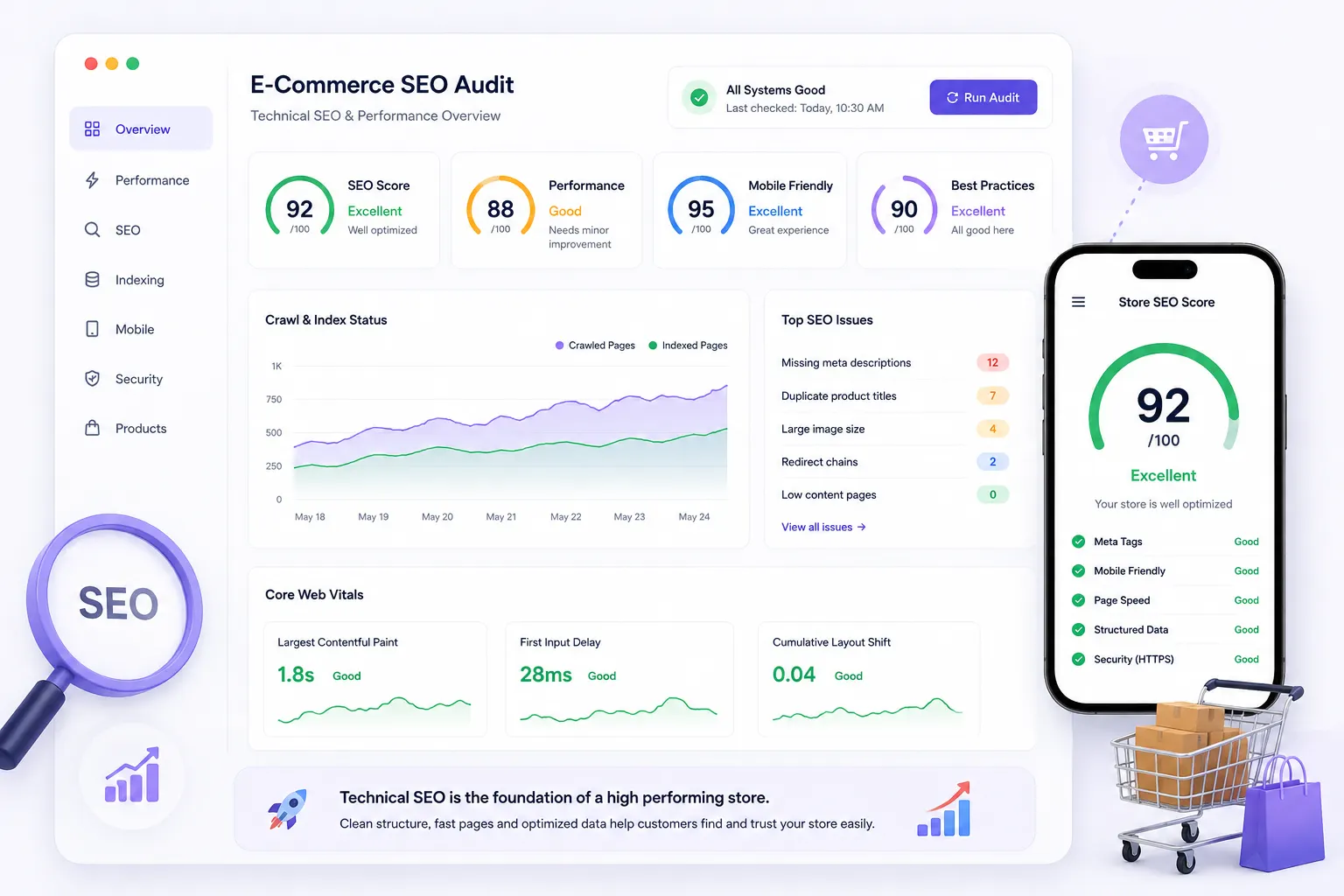
Structure
Products organised clearly
Mobile
Buying actions remain usable
SEO
Search-friendly foundation
Foundation connected
Product structure + mobile + media + technical SEO
01
Catalogue health
Category & Product Structure
Clear hierarchy helps customers and search engines understand where products belong.
02
Mobile experience
Mobile Performance
Images, layout and buying interactions should remain efficient on ordinary mobile connections.
03
Technical SEO
Structured Data Readiness
Product, breadcrumb and other structured data can be implemented correctly during development where appropriate.
04
Store pathways
Internal Linking
Categories, related products and supporting pages should create useful paths rather than isolated product URLs.
05
Asset quality
Media Discipline
Product media should be optimized and sized responsibly instead of loading oversized assets everywhere.
06
Growth foundation
Growth-Friendly Architecture
The store should support new products, collections, campaigns and SEO work without a complete redesign.
E-commerce website FAQs
Questions Businesses Usually AskBefore Building an Online Store.
The exact answer depends on catalogue size, features and integrations, but these are the questions that normally shape an e-commerce project.
01How much does an e-commerce website cost?
The cost depends on catalogue size, custom design depth, product options, payment and shipping requirements, customer accounts, integrations and the amount of custom development required. We first understand the store workflow and then define a practical scope.
02Can you integrate online payment?
Yes. A supported payment gateway such as Razorpay or another approved provider can be integrated according to its API, account status and project requirements. Payment success must always be verified server-side before an order is treated as paid.
03Will the e-commerce website work on mobile?
Yes. Product discovery, filters, product pages, cart and checkout should be planned for mobile from the beginning rather than treated as a smaller desktop version.
04Can I manage products and prices later?
That depends on the agreed store architecture, but product, category, pricing and order management are normally planned so authorized staff can manage day-to-day store data without editing code.
05Can you connect shipping or courier services?
Yes, when the selected provider offers a suitable integration. We first review the provider API, serviceability rules, pricing and operational requirements before confirming the exact workflow.
06Is the store SEO-friendly?
We plan a search-friendly foundation with clear category and product hierarchy, mobile usability, performance-aware media, internal linking and room for technical SEO. Search rankings depend on many factors, so we do not make ranking guarantees.
07Can you redesign my existing online store?
Yes. We can review what already works and improve navigation, product discovery, product presentation, mobile usability, trust information, cart or checkout flow without discarding useful parts unnecessarily.
08Can SparkHub work with e-commerce clients outside Jamshedpur?
Yes. SparkHub 360 is based in Jamshedpur, Jharkhand, and e-commerce website services can be delivered remotely to businesses across India through structured requirement, review and approval workflows.
Build your online store
Ready to Plan an E-Commerce Website Around Your Real Business?
Share your products, customer type, delivery area and the way you want orders to work. We will help you define a clear and practical next step.
- India-wide service
- Mobile-first planning
- Business-first store structure